
Back-Translation for Quality Assurance: How to Verify a Translation Is Accurate

Quick Summary: Back-translation is a quality assurance step where a translated document gets translated a second time, back into its original language, by a linguist who never saw the source text. Comparing the two versions of the original reveals meaning that drifted during translation. This guide covers how the back-translation process works, which industries and documents actually need it, what it catches and what it misses, how it compares to other quality assurance methods, and the mistakes that undermine it. It closes with how Auerbach International builds back-translation into projects where accuracy carries real consequences.
What Is Back-Translation?
Back-translation is a quality assurance method that takes a document already translated into a target language and translates it a second time, back into the original source language. A different linguist handles the back-translation, and that linguist never sees the original text. The project manager then compares the back-translated version against the original document, looking for places where the meaning shifted between the two rounds of translation.
The point isn't to produce a perfect match. Two independent translators rarely choose identical wording even when both are accurate, since language allows more than one correct way to say the same thing. The point is to catch meaning that changed, a term that got mistranslated, an instruction that became vaguer, or a condition that quietly dropped out. When the back-translated text says something different from what the original document said, that gap is where a reviewer needs to look closely.
How the Back-Translation Process Works

A standard back-translation quality assurance project follows a few distinct steps, each handled by a different person to keep the check independent:
- Forward translation. A qualified linguist translates the source document into the target language, the same way any translation project starts.
- Back-translation. A second linguist, who has not seen the source document, translates the target-language version back into the source language.
- Reconciliation. A third reviewer, often a senior linguist or subject-matter expert, compares the back-translated text against the true original and flags every meaningful difference.
- Resolution. The team decides whether each flagged difference reflects a real translation problem or just a natural variation in wording, then corrects the target-language document where needed.
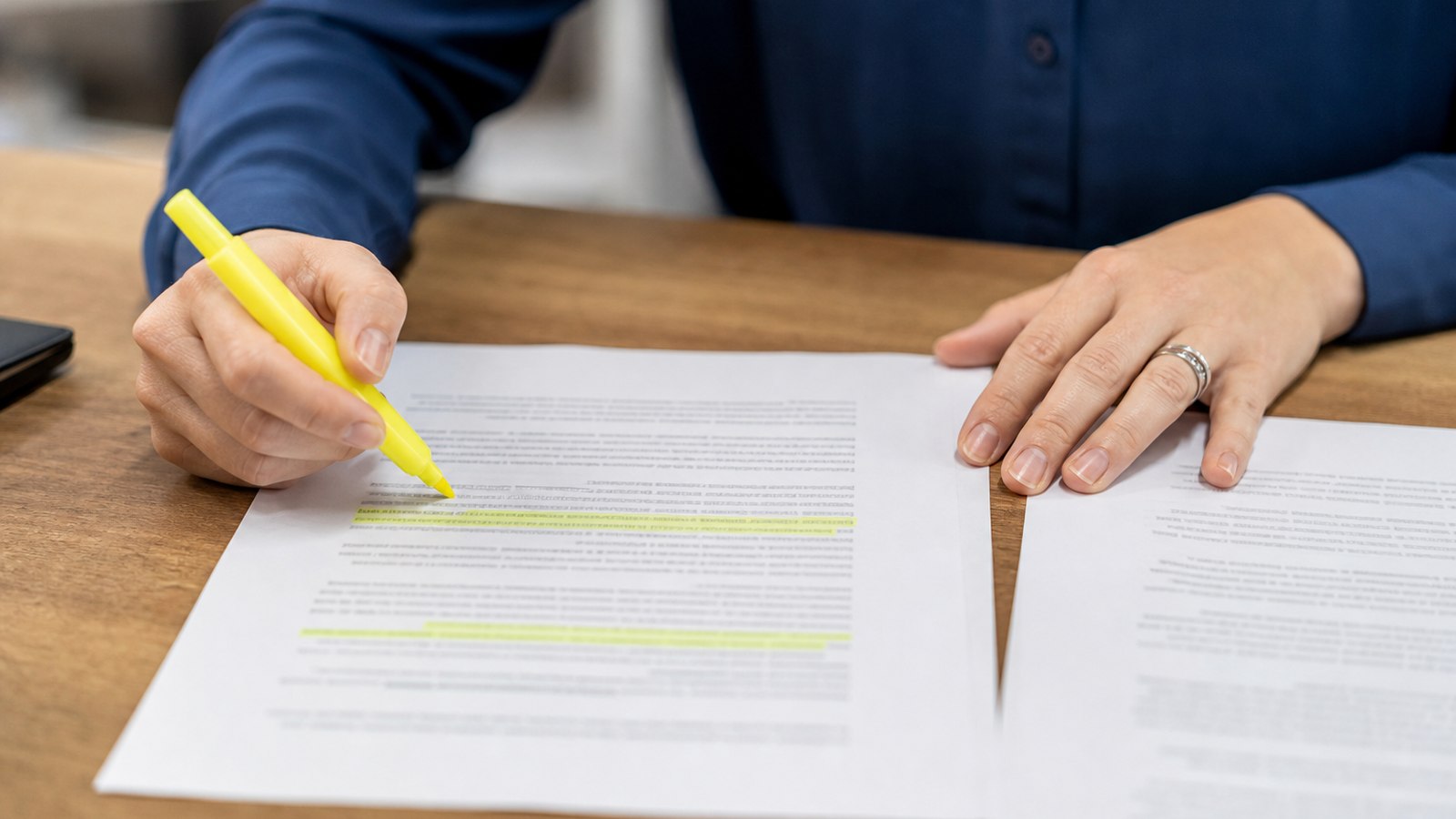
That reconciliation step is where back-translation earns its value. A project manager who only skims the back-translated copy for a rough resemblance to the original will miss most of what this method is built to catch. The comparison has to be close, sentence by sentence, with someone who understands both the subject matter and why small wording changes can matter.
When a Business Actually Needs Back-Translation
Back-translation adds real time and cost to a project, so it makes sense for high-stakes documents rather than routine ones. A few situations where businesses use it consistently:
- Clinical trial materials. Informed consent forms and patient-reported outcome questionnaires often require back-translation under sponsor or institutional review board protocols, since a mistranslated consent form can affect patient understanding and regulatory approval.
- Regulatory and pharmaceutical filings. Drug labeling, safety data sheets, and submissions to agencies such as the FDA's Good Clinical Practice guidance frequently call for documented translation quality controls, and back-translation is one of the most widely accepted methods for showing that control.
- Legal contracts and court documents. A mistranslated clause in a contract or a court filing can change the parties' obligations, so high-value agreements often warrant the extra verification step.
- Survey instruments and research tools. Academic and market research surveys need back-translation to confirm that a question means the same thing in every language, since a shift in meaning can quietly skew the data a study collects.
Marketing copy, internal memos, and most everyday business communication don't need this level of verification. A skilled linguist and a standard editing pass are usually enough when the consequence of a small wording variation is low.
What Back-Translation Catches, and What It Misses
Back-translation is genuinely good at surfacing a specific kind of error: a term translated inconsistently, a dosage or number that shifted, a conditional clause that became absolute, or an instruction that lost a qualifier it needed. Those are the errors that change what a document actually says, and a careful reconciliation step tends to find them.
It's less reliable at catching problems with tone, idiom, and cultural fit. A back-translated sentence can match the original word for word and still read stiffly, formally, or oddly to a native speaker in the target market, because back-translation checks meaning, not natural phrasing. It's also not well suited to catching a term that a translator chose correctly on a technical level but that isn't the term a reader in that industry actually uses; that kind of gap calls for review by a subject-matter expert who works in the target language day to day, not a second round of translation.
This is also why a business shouldn't treat back-translation as a substitute for a native-speaking linguist's editorial judgment. The two roles catch different things. A back-translation reveals whether the meaning held up; a fluent editorial review confirms whether the result actually sounds like something a real person in that market would say or write.
Back-Translation vs. Other Quality Assurance Methods
Back-translation is one of several quality assurance methods a language services provider can use, and it isn't automatically the right one for every project:
- Independent bilingual review. A second linguist reads both the source and target documents side by side and flags errors directly. This is faster than back-translation and catches most of the same accuracy issues, plus tone and phrasing problems that back-translation can't see. It works well for the majority of business documents.
- Back-translation. Best reserved for documents where regulators, sponsors, or courts specifically require it, or where the cost of a subtle meaning shift is high enough to justify the extra round of translation and comparison.
- Machine translation post-editing review. A different quality assurance layer entirely, built for content that started as a machine translation draft rather than a fully human translation. Auerbach International's guide to machine translation post-editing covers how that process works and when it fits a project.
Many high-stakes projects use more than one of these methods together. A clinical trial consent form, for example, might go through independent bilingual review first and back-translation afterward, since the two methods catch different categories of error.
Common Mistakes That Undermine a Back-Translation
A back-translation project can fail to catch real problems when it isn't set up correctly. The most common mistakes:
- Using the same linguist for the forward and back translation. This defeats the purpose. A translator checking his or her own work tends to reproduce the same interpretation the second time, so genuine errors slip through unnoticed.
- Skipping the reconciliation step. A back-translation that never gets compared line by line against the true original document provides no real quality assurance value at all, no matter how carefully it was produced.
- Treating every wording difference as an error. Two skilled linguists rarely produce identical sentences from the same source. A reviewer needs to be able to tell a harmless stylistic variation from a genuine shift in meaning, or the process becomes a source of confusion rather than clarity.
- Applying it to the wrong content. Back-translation on marketing copy or general correspondence usually isn't worth the added time and cost, since a subject-matter expert's editorial review typically covers those risks well enough on its own.
How Auerbach International Supports Back-Translation Quality Assurance
Auerbach International has provided translation, interpreting, and localization services since 1990, and back-translation quality assurance is a standard option for clients who need documented proof that a translation holds up under independent scrutiny. For certified document translation, the team can add a back-translation and reconciliation step for contracts, affidavits, and other documents where a regulator, court, or counterparty needs assurance that nothing shifted in meaning.
This matters most for organizations working with healthcare translation, including informed consent forms, patient materials, and clinical trial documents, where sponsors and institutional review boards frequently expect back-translation as part of a documented quality process. It also pairs well with the terminology controls described in Auerbach International's guide to building a multilingual style guide, since a consistent glossary makes it easier for a reconciliation review to tell a real error from an acceptable variation in wording.
If your organization needs back-translation quality assurance for a regulatory filing, legal document, or research instrument, request a translation quote from Auerbach International and let the team know which documents need the extra verification step so it can be scoped correctly from the start.
Frequently Asked Questions
Is back-translation the same as proofreading a translation?
No. Proofreading checks a single translated document for grammar, spelling, and clarity. Back-translation re-translates the finished document back into its original language using a linguist who never saw the source text, then compares the result against the true original to check whether the meaning held up. The two methods catch different kinds of problems, and many high-stakes projects use both.
How much does back-translation add to a project's cost and timeline?
Back-translation roughly adds the cost of a second full translation, plus the reconciliation review, so it typically increases a project's cost by 50 to 100 percent over a single translation and extends the timeline accordingly. Businesses generally reserve it for documents where that added cost is justified by regulatory requirements or the consequences of an undetected error.
Who should perform the back-translation?
A qualified linguist who did not work on the original forward translation and has not seen the source document. Using the same translator for both rounds removes the independence that makes back-translation useful, since he or she is likely to repeat the same interpretation rather than reveal a genuine error.
Does back-translation catch every type of translation error?
No single method does. Back-translation is strong at catching shifts in meaning, such as a mistranslated term or a dropped condition, but it's less reliable for tone, idiom, and cultural fit, since a back-translated sentence can match the original's meaning while still reading oddly to a native speaker. A native-speaking editorial review usually needs to run alongside it for full coverage.
Which documents most often require back-translation?
Clinical trial consent forms and patient-reported outcome instruments, regulatory and pharmaceutical filings, high-value legal contracts, and research survey instruments are the documents where back-translation appears most often, usually because a sponsor, regulator, institutional review board, or court specifically expects it as part of a documented quality process.
Can back-translation be used with machine translation?
Yes, but the reconciliation review matters even more in that case. A machine-translated document that goes through back-translation still needs a qualified human linguist comparing the results, since an automated system can produce a back-translation that superficially resembles the original while missing a meaningful shift in a specific term or instruction.